
Cities are more than collections of buildings, roads, and parks—they are living archives of history. Every street name, public square, statue, and monument tells a story about the people and events that societies choose to remember. For generations, many countries inherited public spaces shaped by colonial empires, imperial governments, or authoritarian regimes. Statues honored conquerors, explorers, military leaders, and colonial administrators, while streets and cities carried names celebrating imperial expansion rather than the experiences of local communities.
In the twenty-first century, particularly during the 2020s, many countries have begun reexamining these inherited landscapes. Governments, historians, Indigenous communities, and civil society organizations have questioned whether public monuments should continue to celebrate individuals whose achievements were closely connected to colonial conquest, slavery, or the suppression of Indigenous peoples. At the same time, cities around the world have renamed streets, restored Indigenous place names, and redesigned public spaces to better reflect historical diversity and social inclusion.
These developments are often described as part of a broader process of decolonization or historical reconciliation. They do not seek to erase history but to reconsider whose histories are represented in public life and whose voices have traditionally been excluded. As of 2026, debates over monuments and geographical names remain among the most visible examples of how societies negotiate their relationship with the past while shaping the future.
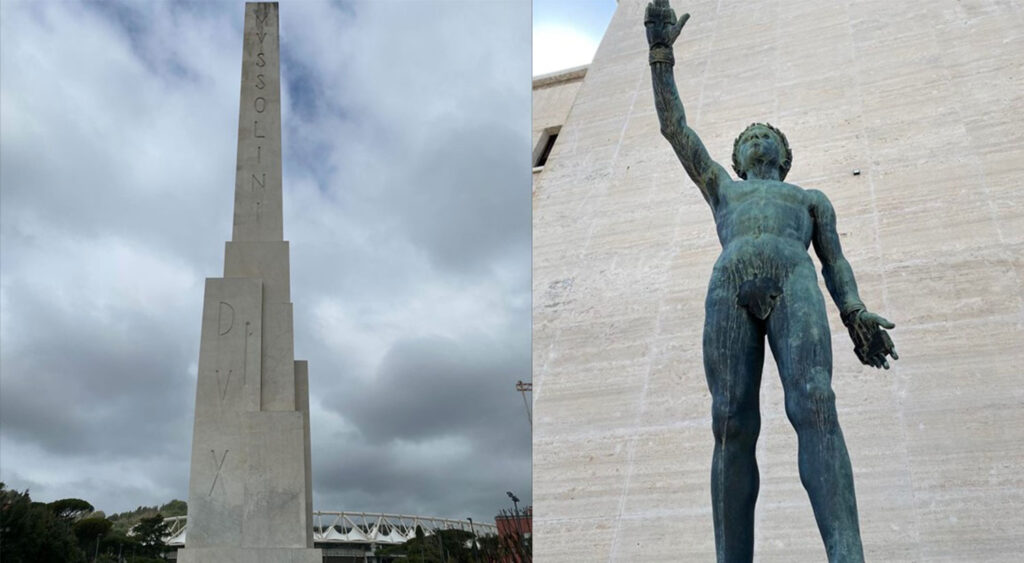
Why Public Spaces Matter
Public spaces influence collective memory in ways that many people rarely notice.
Unlike history books, monuments and street names become part of everyday life. People encounter them while commuting to work, attending school, or visiting parks. Over time, repeated exposure normalizes the historical narratives they represent.
When a city square is named after a colonial governor or a monument honors an imperial general, these symbols communicate that such individuals deserve public recognition.
Conversely, the absence of Indigenous leaders, anti-colonial activists, women, or minority communities from public spaces can imply that their contributions are less significant.
As historians often note, monuments are not simply records of history—they are statements about which values a society chooses to celebrate.
The Colonial Legacy in Urban Landscapes
European colonial empires left lasting marks on cities across Africa, Asia, Oceania, and the Americas.
Colonial administrations frequently renamed:
- Cities
- Rivers
- Mountains
- Streets
- Public squares
- Government buildings
- Educational institutions
These names often honored monarchs, military commanders, colonial governors, or explorers.
The practice served political purposes.
Renaming landscapes symbolized authority over territory while replacing local cultural identities with imperial narratives.
In many regions, Indigenous place names that had existed for centuries gradually disappeared from official maps and public administration.
Although political independence restored national sovereignty, many colonial names remained unchanged for decades.
Why Names Matter
Place names carry cultural meaning far beyond navigation.
Traditional geographical names often preserve:
- Indigenous languages
- Historical events
- Ecological knowledge
- Spiritual beliefs
- Oral traditions
- Community identity
Restoring original names therefore represents more than administrative reform.
It acknowledges that local communities maintained deep relationships with these landscapes long before colonial governments arrived.
For Indigenous peoples especially, reclaiming traditional names helps strengthen cultural continuity and preserve linguistic heritage.
Names influence how societies remember the past and imagine the future.
Monument Debates Around the World
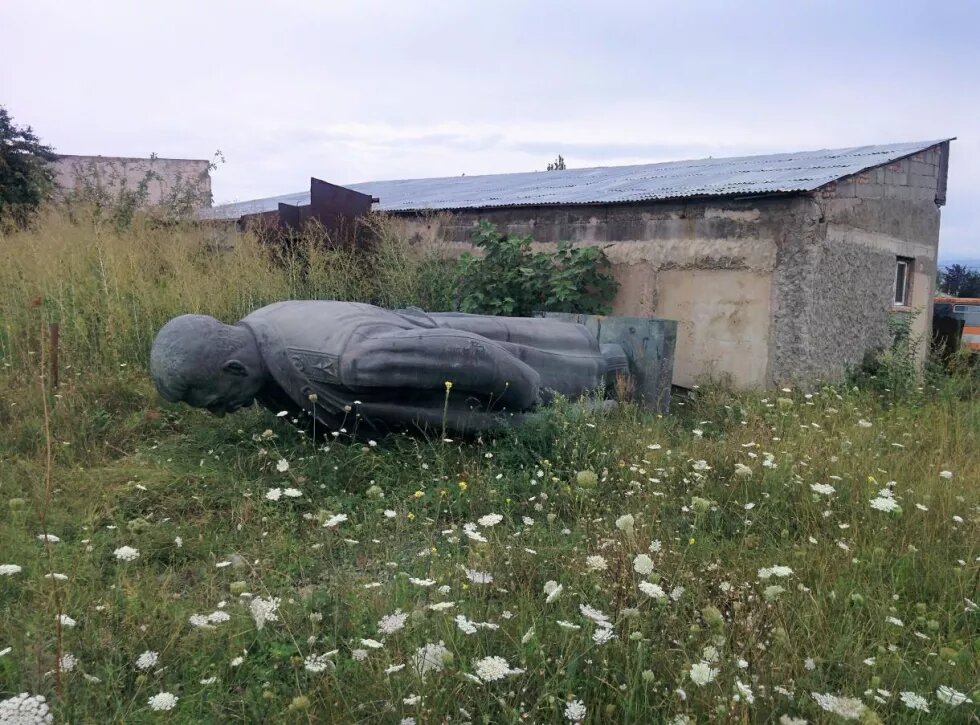
During the past decade, discussions surrounding monuments have intensified across many countries.
Statues honoring colonial figures have become subjects of public debate because historical research has increasingly highlighted connections between imperial expansion, slavery, forced labor, and cultural destruction.
Communities have questioned monuments dedicated to individuals associated with:
- Colonial conquest
- The transatlantic slave trade
- Forced displacement
- Racial segregation
- Cultural assimilation
- Violent repression of Indigenous populations
Some monuments have been relocated to museums.
Others have received explanatory plaques providing historical context.
In certain cases, governments have chosen to remove them entirely from public spaces.
These different approaches illustrate that societies rarely adopt a single model for addressing controversial historical symbols.
Renaming Cities and Streets
Renaming geographical locations has become one of the most visible forms of historical reassessment.
Many countries have restored Indigenous or locally significant names following independence or democratic reform.
Examples around the world include:
- Colonial city names replaced with traditional names.
- Streets renamed after independence leaders.
- Public squares dedicated to human rights advocates.
- Neighborhoods honoring Indigenous communities.
- Government institutions commemorating local historical figures.
Renaming often reflects broader efforts to build national identity while recognizing previously marginalized histories.
Such changes also encourage residents to learn more about the people and cultures represented in their surroundings.
Indigenous Place Names and Cultural Restoration
For Indigenous communities, geographical names often describe far more than physical locations.
Traditional names may contain information about:
- Sacred sites
- Seasonal migrations
- Rivers and ecosystems
- Historical events
- Spiritual beliefs
- Community relationships with the land
Colonial renaming frequently erased this knowledge from official maps.
In recent years, governments in several countries have increasingly collaborated with Indigenous communities to restore traditional place names or adopt dual naming systems that recognize both Indigenous and colonial histories.
These initiatives contribute to language revitalization while promoting greater public awareness of Indigenous heritage.
The Difference Between Remembering and Honoring
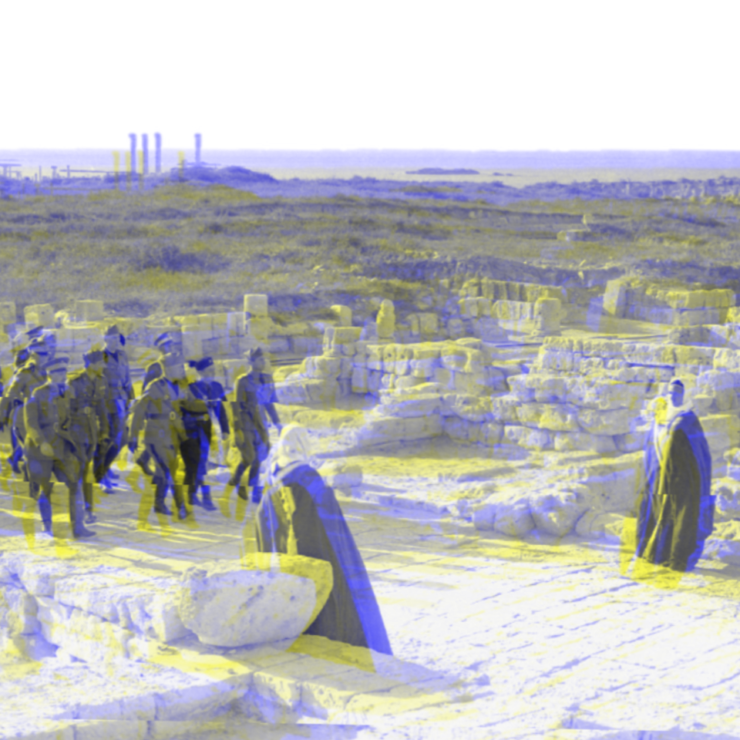
A common misunderstanding in monument debates is the assumption that removing a statue erases history.
Historians generally distinguish between remembering history and honoring individuals.
Museums, archives, books, documentaries, and educational programs preserve historical knowledge regardless of whether statues remain in public squares.
Public monuments, however, are expressions of collective admiration.
A society may continue teaching about controversial historical figures while deciding that they no longer deserve places of honor in civic spaces.
This distinction allows communities to preserve historical understanding without necessarily celebrating every aspect of the past.
Arguments Supporting Monument Removal
Supporters of removing or relocating controversial monuments present several arguments.
They emphasize that public spaces should represent values shared by contemporary democratic societies.
Their reasoning often includes:
- Recognition of historical injustice.
- Greater inclusion of marginalized communities.
- Public acknowledgment of colonial violence.
- Promotion of social reconciliation.
- More balanced historical representation.
Many advocates argue that retaining monuments without explanation risks presenting incomplete or misleading versions of history.
Adding historical context or creating new memorials can encourage deeper public reflection.
Concerns About Removing Historical Symbols
Others express reservations about widespread renaming or monument removal.
Common concerns include:
- Loss of historical continuity.
- Political polarization.
- Financial costs.
- Frequent changes in public memory.
- Risk of judging historical figures solely by modern standards.
Some historians recommend contextualization instead of removal.
This approach preserves monuments while adding educational information explaining both achievements and controversies associated with historical figures.
Rather than presenting simplified narratives, contextualization encourages critical engagement with history.
Museums as New Homes for Controversial Monuments
An increasingly popular solution involves relocating controversial statues to museums.
Within museum settings, monuments can be interpreted through historical exhibitions that explain:
- The circumstances of their creation.
- The political values they represented.
- Their role in colonial or imperial history.
- Changing public attitudes over time.
Unlike public squares, museums provide opportunities for discussion rather than celebration.
Visitors encounter monuments within broader historical narratives instead of isolated symbols of honor.
Public Participation in Historical Decisions
Modern approaches increasingly involve public consultation.
Communities participate through:
- Public meetings.
- Academic panels.
- Citizen surveys.
- Indigenous consultations.
- Historical commissions.
- Local government debates.
Including multiple perspectives helps reduce polarization while improving public trust in decision-making.
Community engagement also recognizes that public spaces belong to everyone rather than reflecting only governmental priorities.
Education Through Public Memory
Changes to monuments and place names often generate widespread public discussion.
Although debates can be contentious, they also create educational opportunities.
People begin asking questions such as:
- Who was this person?
- Why was the monument originally built?
- What historical events are connected to this place?
- Why do different communities remember history differently?
These conversations encourage greater historical literacy and public engagement.
Rather than diminishing interest in history, many renaming initiatives have increased public curiosity about the past.
Designing More Inclusive Public Spaces
Contemporary urban planning increasingly seeks to represent a wider range of historical experiences.
New monuments often commemorate:
- Indigenous leaders.
- Human rights advocates.
- Scientists.
- Artists.
- Women previously excluded from public recognition.
- Civil rights movements.
- Local cultural traditions.
Cities are also incorporating multilingual signs, Indigenous artwork, historical interpretation panels, and community-designed memorials.
These additions enrich rather than replace existing historical landscapes by broadening whose stories become visible.
International Lessons in Historical Reconciliation
Experiences vary widely across different countries, but several common lessons have emerged.
Successful initiatives generally involve:
- Careful historical research.
- Public dialogue.
- Community participation.
- Transparent decision-making.
- Respect for cultural diversity.
- Educational outreach.
No single model fits every society.
Some communities choose removal, others favor contextualization, while still others prioritize adding new monuments instead of removing existing ones.
The most durable solutions usually emphasize conversation rather than confrontation.
Looking Ahead
As societies become increasingly diverse and historically aware, public spaces will likely continue evolving.
Future generations may evaluate monuments less as permanent fixtures and more as reflections of changing social values.
Advances in digital technology—including interactive exhibitions, augmented reality, and digital archives—may also provide new ways to present historical complexity without relying solely on traditional monuments.
Urban landscapes will continue serving as places where history, memory, identity, and civic values intersect.
The challenge will be balancing historical preservation with the desire to create public spaces that reflect the diversity of modern societies.
Conclusion
The reconsideration of geographical names and public monuments represents one of the most visible aspects of historical reconciliation in the post-imperial era. Across the world, governments, Indigenous communities, historians, and citizens are engaging in important conversations about how public spaces should represent the past while reflecting the values of the present.
Renaming streets, restoring Indigenous place names, relocating controversial monuments, and creating new memorials are not simply symbolic acts. They influence collective memory, cultural identity, and public understanding of history. These initiatives acknowledge that history is complex and that the individuals celebrated in one era may be viewed differently as societies gain new knowledge and broader perspectives.
Ultimately, rethinking public spaces is not about erasing history but about enriching it. By recognizing multiple historical experiences and giving greater visibility to voices that were once marginalized, communities can create civic landscapes that are more inclusive, historically accurate, and representative of the diverse societies they serve. In doing so, they transform public spaces from static reminders of the past into dynamic places of learning, dialogue, and shared understanding.