
Across Europe, museums have long been regarded as guardians of humanity’s shared cultural heritage. Their galleries display masterpieces of art, archaeology, and ethnography collected from every corner of the world. For generations, these collections were celebrated as symbols of knowledge, exploration, and cultural exchange. Yet in recent decades, a growing number of historians, legal experts, Indigenous leaders, and policymakers have challenged the origins of many museum collections, arguing that numerous artifacts were acquired through colonial conquest, military looting, coercion, or unequal power relationships rather than legitimate exchange.
As of 2026, cultural restitution has become one of the most significant debates in international heritage law and museum ethics. European institutions are increasingly returning cultural treasures—including the famous Benin Bronzes, sacred Indigenous ceremonial objects, ancestral human remains, and religious artifacts—to their countries and communities of origin. These returns are no longer viewed simply as transfers of property but as acts of historical justice, reconciliation, and recognition of cultural rights.
The movement raises complex legal and moral questions. Who owns cultural heritage? Can historical injustices be corrected centuries later? Should museums preserve artifacts for the benefit of global audiences, or should communities regain control over objects central to their identity and traditions? While there are no universal answers, the growing momentum behind restitution reflects a profound transformation in how societies understand history, colonialism, and cultural responsibility.
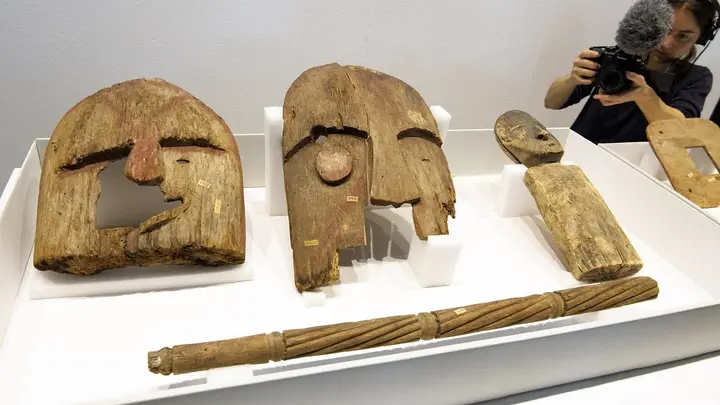
The Colonial Origins of Many Museum Collections
The expansion of European colonial empires between the fifteenth and twentieth centuries dramatically reshaped the movement of cultural objects around the world.
Military expeditions, colonial administrations, missionaries, private collectors, and archaeologists removed millions of objects from Africa, Asia, Oceania, and the Americas. Some acquisitions occurred through trade or gifts, but many resulted from armed conflict, forced treaties, unequal commercial arrangements, or direct looting.
Museums throughout Europe gradually became repositories of these collections.
Objects removed during colonial rule included:
- Royal regalia
- Religious sculptures
- Sacred ceremonial objects
- Ancient manuscripts
- Bronze and ivory artworks
- Traditional weapons
- Jewelry
- Textiles
- Masks
- Human remains
Many items carried profound spiritual, historical, or political significance within their original communities rather than serving merely decorative purposes.
For decades, museums often emphasized scientific preservation while paying relatively little attention to the circumstances under which collections had been acquired.
The Benin Bronzes: A Symbol of Restitution
Few cultural objects have become more closely associated with restitution than the Benin Bronzes.
These remarkable bronze plaques, sculptures, commemorative heads, and ceremonial objects were created by highly skilled artisans in the Kingdom of Benin, located in present-day Nigeria. They documented royal history, religious beliefs, political authority, and artistic achievement over several centuries.
In 1897, British military forces launched a punitive expedition against Benin City.
During the invasion:
- Thousands of artworks were seized.
- The royal palace was looted.
- Much of the city was destroyed.
- The objects were later sold throughout Europe and North America.
Today, the Benin Bronzes are dispersed among museums worldwide.
In recent years, numerous institutions have acknowledged that these works were taken during a military campaign rather than acquired through legitimate cultural exchange.
Their return has become a landmark example of how museums are reassessing colonial-era acquisitions.
Sacred Objects Are More Than Museum Pieces
Many restitution claims concern objects that possess religious or ceremonial significance rather than artistic value alone.
For Indigenous communities, sacred artifacts often remain living components of cultural and spiritual traditions.
Examples include:
- Ceremonial masks
- Ritual drums
- Medicine bundles
- Totem carvings
- Burial objects
- Ancestor figures
- Religious garments
- Prayer items
Displaying such objects behind glass cases can conflict with the beliefs of communities that consider them active participants in spiritual life.
Some items are intended to be viewed only during specific ceremonies or by certain members of the community.
Returning these artifacts therefore represents not only the restoration of property but also the revival of cultural practices interrupted by colonialism.
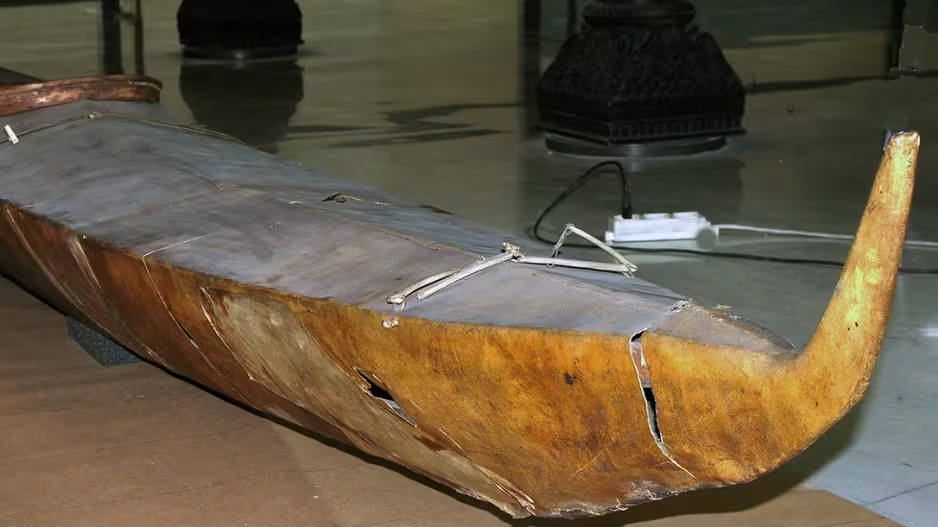
Human Remains and Cultural Dignity
One of the most sensitive aspects of restitution involves ancestral human remains.
During the nineteenth and early twentieth centuries, museums, universities, and scientific institutions collected skeletal remains from Indigenous populations around the world.
Many were taken without consent.
These collections were frequently used for racial anthropology, a field that often promoted discriminatory theories about human differences.
Today, many Indigenous communities seek the return of ancestors for respectful burial according to traditional customs.
The repatriation of human remains has become widely recognized as an issue of human dignity rather than museum ownership.
Numerous institutions have established dedicated programs to identify, document, and return ancestral remains whenever possible.
The Legal Framework for Restitution
International law surrounding cultural property has developed significantly over the past several decades.
Several legal instruments influence restitution discussions, including conventions addressing:
- Illicit trafficking of cultural property
- Protection of cultural heritage during armed conflict
- Rights of Indigenous peoples
- Museum ethics
- Bilateral cultural agreements
However, legal challenges remain.
Many disputed artifacts left their countries of origin before modern international conventions entered into force.
As a result, museums frequently possess legal title under domestic law even when moral concerns remain unresolved.
Consequently, restitution negotiations increasingly rely on diplomatic agreements, voluntary returns, and ethical commitments rather than court judgments alone.
The Moral Argument for Returning Cultural Heritage
Supporters of restitution argue that legality does not always equal legitimacy.
Many colonial acquisitions occurred under conditions of overwhelming military or political imbalance.
Communities that lacked sovereignty or equal bargaining power often had little ability to refuse the removal of culturally significant objects.
Returning these items acknowledges historical injustices and recognizes the cultural rights of descendant communities.
Advocates emphasize several principles:
- Historical accountability
- Respect for cultural identity
- Indigenous self-determination
- Repair of colonial harms
- Restoration of historical memory
Rather than viewing museums as permanent owners, this perspective regards them as temporary custodians whose responsibilities include correcting past injustices when appropriate.
Concerns Raised by Museums
Not everyone agrees that restitution should become the default solution.
Some museum professionals express concerns regarding:
- Preservation standards
- Political instability
- Security risks
- Conservation resources
- Public accessibility
- Fragmentation of global collections
Large international museums argue that they enable visitors from around the world to encounter diverse cultures within a single institution.
They also note that many collections support research, education, and international scholarship.
Some critics fear that widespread restitution could empty museums of significant historical collections or create legal uncertainty surrounding countless artifacts.
These concerns have encouraged more collaborative approaches rather than absolute positions.
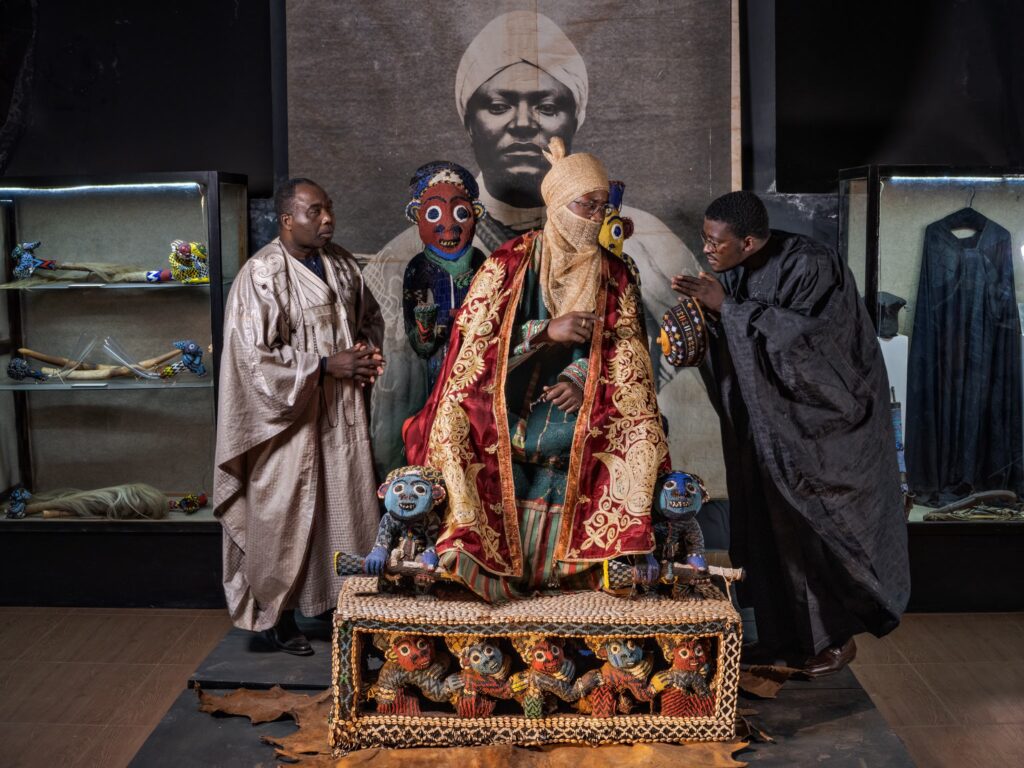
From Ownership to Partnership
Modern restitution increasingly focuses on partnership instead of confrontation.
Museums and source communities have developed innovative forms of cooperation, including:
- Long-term cultural loans
- Shared exhibitions
- Joint conservation projects
- Digital archives
- Collaborative research
- Curatorial partnerships
- Community consultation
These arrangements recognize that museums possess valuable expertise in conservation while Indigenous communities hold essential cultural knowledge regarding the meaning, use, and history of the objects.
The shift reflects a broader understanding that heritage management benefits from shared authority rather than exclusive control.
Restitution and National Identity
For many countries formerly subjected to colonial rule, the return of cultural heritage carries enormous symbolic significance.
Artifacts often represent:
- National history
- Political independence
- Religious traditions
- Artistic achievement
- Collective memory
Recovering these objects contributes to rebuilding historical narratives that colonial domination attempted to suppress or erase.
Museums established within source countries increasingly use returned collections to educate younger generations about their own cultural heritage.
Restitution therefore strengthens both national identity and cultural continuity.
Indigenous Communities at the Center of Decision-Making
An important development in recent years has been the growing recognition that governments are not always the only legitimate representatives of cultural heritage.
Many restitution claims originate directly from Indigenous nations rather than national governments.
This distinction matters because sacred objects may belong to specific communities instead of the state.
Increasingly, museums consult directly with:
- Tribal councils
- Elders
- Traditional leaders
- Cultural custodians
- Religious authorities
Such consultation helps determine whether objects should be publicly displayed, ceremonially used, privately protected, or permanently returned.
This community-centered approach reflects evolving international standards regarding Indigenous rights and cultural autonomy.
Technology Is Changing Restitution
Digital technology has introduced new possibilities for cultural preservation.
High-resolution photography, three-dimensional scanning, and virtual exhibitions enable museums to maintain detailed records even after physical objects are returned.
Digital archives support:
- Academic research
- Public education
- Conservation planning
- International collaboration
While digital replicas cannot replace the cultural or spiritual significance of original artifacts, they allow museums to continue sharing knowledge without retaining ownership of contested objects.
Technology has therefore become an important complement to restitution rather than an alternative to it.
Restitution as Reconciliation
Perhaps the most important consequence of cultural restitution is its contribution to reconciliation.
Returning cultural heritage cannot erase centuries of colonial violence or fully repair historical injustice.
However, restitution can acknowledge past wrongdoing and demonstrate respect for communities whose identities were profoundly affected by dispossession.
Successful restitution processes often involve:
- Public dialogue
- Historical transparency
- Official apologies
- Educational initiatives
- Long-term cultural partnerships
These actions foster trust between museums and source communities while encouraging broader conversations about colonial history.
Reconciliation is not achieved simply through transferring artifacts but through recognizing the people, histories, and cultures connected to them.
The Future of Museum Ethics
The museum profession is undergoing a significant transformation.
Institutions increasingly recognize that their responsibilities extend beyond collecting, preserving, and displaying objects.
Modern museum ethics emphasize:
- Transparency regarding provenance
- Community collaboration
- Respect for Indigenous knowledge
- Ethical acquisition policies
- Cultural sensitivity
- Inclusive historical interpretation
Rather than weakening museums, these changes may strengthen their public legitimacy by demonstrating accountability and openness.
Future generations are likely to evaluate museums not only by the size of their collections but also by the integrity with which those collections are managed.
Conclusion
The return of cultural artifacts from European museums to Indigenous peoples and formerly colonized nations represents one of the most important developments in international cultural heritage in the twenty-first century. While legal ownership remains a complex issue, the broader discussion increasingly focuses on ethics, historical responsibility, and the rights of communities to preserve and transmit their own cultural traditions.
Cases such as the restitution of the Benin Bronzes, sacred ceremonial objects, and ancestral human remains illustrate how museums are moving beyond the legacy of colonial collecting toward more collaborative and respectful relationships. Restitution is not simply about relocating objects; it is about restoring dignity, acknowledging historical injustice, and empowering communities whose cultural heritage was disrupted through conquest and colonialism.
As museums continue to evolve, cultural restitution is likely to remain an essential part of their mission. By embracing transparency, partnership, and dialogue, museums can transform from symbols of imperial collecting into institutions that promote historical understanding, mutual respect, and genuine reconciliation. In doing so, they contribute not only to preserving humanity’s shared heritage but also to ensuring that this heritage is represented with fairness, integrity, and respect for the people to whom it has always mattered most.