
Modern environmental debates often focus on scientific data, technological innovation, and economic policy. Discussions about climate change typically revolve around carbon emissions, renewable energy, biodiversity conservation, and sustainable development. While these approaches are essential, they represent only one way of understanding humanity’s relationship with nature.
For many Indigenous peoples around the world, the natural world is not simply a collection of resources waiting to be managed or exploited. Forests, rivers, mountains, deserts, oceans, and wildlife are viewed as living relatives, spiritual beings, or sacred partners within an interconnected web of life. Human beings are not separate from nature but are one part of a larger ecological community whose health depends on balance, reciprocity, and respect.
This worldview—often described as eco-spirituality—offers an alternative to the consumer-driven model that has dominated much of modern industrial society. Rather than measuring success through unlimited economic growth and resource extraction, many Indigenous traditions emphasize responsibility, gratitude, moderation, and long-term stewardship.
As climate change, biodiversity loss, pollution, and ecosystem degradation intensify in 2026, scholars, environmentalists, and policymakers are increasingly recognizing that Indigenous philosophies may provide valuable ethical guidance alongside scientific knowledge. Understanding these perspectives does not require adopting specific religious beliefs. Instead, it invites a broader reflection on humanity’s place within the natural world and the values that shape our relationship with the planet.
Seeing Nature as a Living Community
In many industrial societies, nature is commonly viewed through economic language.
Forests become timber.
Rivers become water resources.
Mountains become mineral deposits.
Animals become commodities.
Land becomes real estate.
This perspective often treats ecosystems primarily according to their usefulness for human development.
Many Indigenous cultures begin from a different premise.
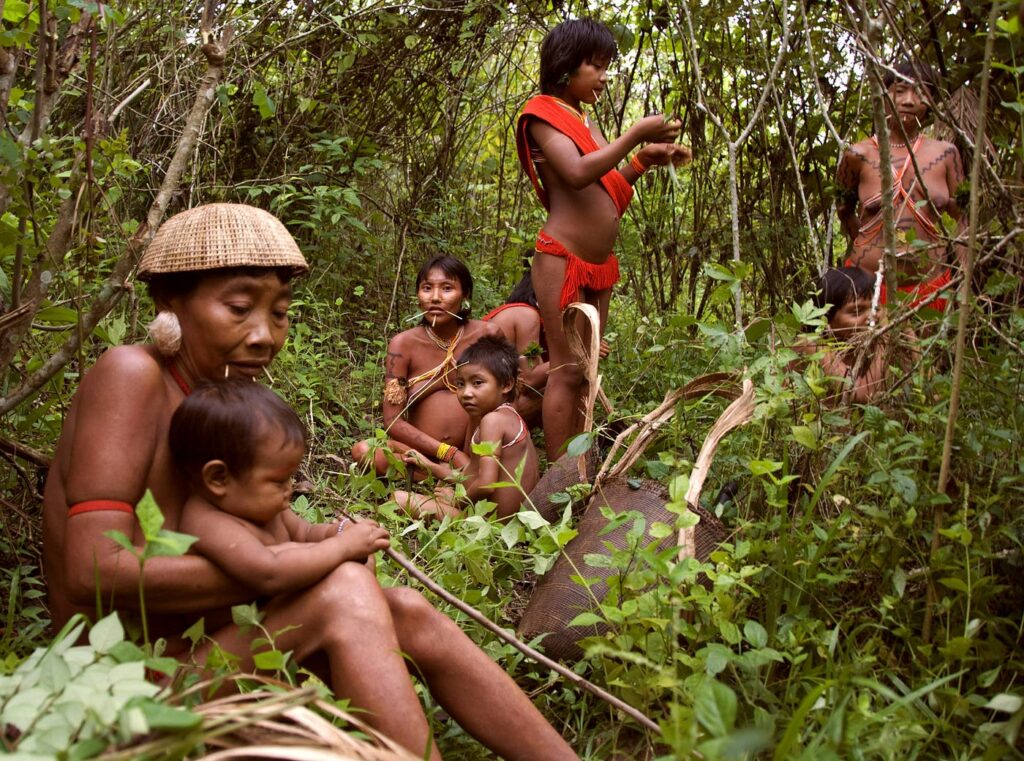
Nature is understood as a living community composed of interconnected relationships.
Within this worldview:
- Rivers possess spiritual significance.
- Mountains are respected as ancestors or sacred beings.
- Forests are living ecosystems rather than timber reserves.
- Animals are fellow inhabitants rather than merely resources.
- Water is regarded as the source of life.
Human well-being depends upon maintaining respectful relationships with these living systems.
The Principle of Reciprocity
One of the central values shared by many Indigenous traditions is reciprocity.
Reciprocity means that taking from nature creates a responsibility to give something back.
This principle influences many traditional practices.
Communities may:
- Harvest only what is needed.
- Avoid wasting natural resources.
- Protect breeding seasons.
- Restore damaged ecosystems.
- Express gratitude through ceremonies.
- Share resources within the community.
Rather than emphasizing ownership, reciprocity encourages responsibility.
Nature is not viewed as property but as a relationship requiring care and mutual respect.
Sacred Landscapes
Across many Indigenous cultures, particular places possess profound spiritual importance.
These landscapes may include:
- Mountains
- Rivers
- Springs
- Forests
- Islands
- Caves
- Rock formations
- Ancient trees
Such places often serve as locations for ceremonies, storytelling, community gatherings, and cultural education.
Their importance extends beyond historical interest.
Many communities believe these landscapes continue to sustain spiritual connections between ancestors, present generations, and those yet to come.
Protecting sacred places therefore becomes both an environmental and cultural responsibility.
Humanity as Part of Nature
Modern industrial philosophy has often portrayed humans as separate from nature.
Technological progress has sometimes reinforced the idea that humanity exists above ecological limits.
Many Indigenous worldviews reject this separation.
Instead, they emphasize that people belong within ecological systems alongside plants, animals, insects, rivers, and forests.
This understanding encourages humility.
Human survival depends upon:
- Healthy ecosystems.
- Clean water.
- Productive soils.
- Biodiversity.
- Stable climates.
- Balanced relationships with other living beings.
Rather than dominating nature, people are expected to fulfill responsibilities within it.
Traditional Knowledge and Spiritual Practice
Indigenous ecological knowledge is often inseparable from spiritual traditions.
Knowledge about plants, animals, weather, and landscapes is transmitted through:
- Oral histories.
- Ceremonies.
- Songs.
- Seasonal observations.
- Community rituals.
- Storytelling.
- Intergenerational teaching.
These practices strengthen both environmental understanding and cultural identity.
Scientific research increasingly recognizes that such knowledge systems contain valuable observations accumulated over centuries.
The spiritual dimension helps reinforce long-term stewardship by embedding environmental ethics within everyday life.
The Consumer Culture Challenge
Modern consumer economies encourage continual production and consumption.
Economic success is frequently measured through:
- Increased production.
- Higher consumption.
- Resource extraction.
- Market expansion.
- Economic growth.
While these systems have contributed to significant improvements in living standards, they have also placed enormous pressure on ecosystems.
Deforestation, pollution, habitat destruction, and biodiversity loss often result when economic activity exceeds ecological limits.
Many Indigenous philosophies challenge the assumption that unlimited consumption leads to greater well-being.
Instead, they emphasize balance over accumulation.
Learning From Seasonal Rhythms
Traditional Indigenous communities often organize activities according to natural seasonal cycles.
Harvesting, fishing, hunting, and gathering may occur only during periods that allow ecosystems to regenerate.
This approach reflects careful observation of ecological patterns such as:
- Animal migration.
- Plant flowering.
- River levels.
- Rainfall.
- Soil conditions.
- Breeding seasons.
Working with natural rhythms rather than against them reduces environmental pressure while supporting long-term sustainability.
Many contemporary conservation strategies increasingly incorporate similar principles.
Gratitude as an Environmental Ethic
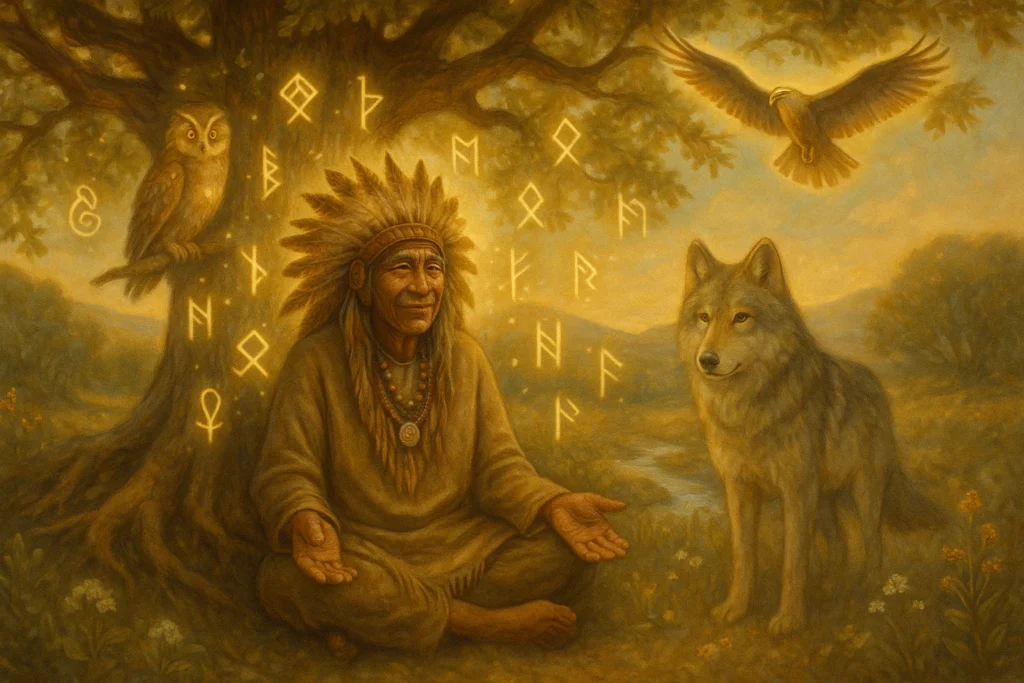
Gratitude occupies an important place in many Indigenous traditions.
Before harvesting plants, catching fish, or hunting animals, communities may express thanks through ceremonies or spoken acknowledgments.
These practices reinforce awareness that human survival depends upon the generosity of nature.
Gratitude encourages:
- Respect.
- Moderation.
- Responsibility.
- Humility.
- Mindful consumption.
Rather than viewing resources as unlimited commodities, gratitude reminds people that every ecological gift carries ethical obligations.
The Rights of Nature
Some legal systems have begun recognizing concepts that closely resemble Indigenous philosophies.
Several countries and local jurisdictions have introduced legal protections recognizing rivers, forests, or ecosystems as entities deserving legal rights.
Although these legal innovations emerge from diverse traditions, they share an important principle:
Nature possesses value beyond its economic usefulness.
This perspective reflects growing awareness that environmental protection requires moving beyond purely commercial understandings of land and ecosystems.
Indigenous philosophies have significantly influenced these conversations.
Eco-Spirituality and Climate Change
Climate change has prompted renewed interest in environmental ethics.
Technological innovation remains essential for reducing greenhouse gas emissions.
However, many scholars argue that environmental problems also reflect cultural values.
If societies continue viewing nature primarily as an unlimited source of raw materials, technological solutions alone may prove insufficient.
Eco-spirituality encourages deeper questions:
- What responsibilities do humans have toward future generations?
- How much consumption is enough?
- What defines a healthy relationship with nature?
- How should societies balance economic development and ecological protection?
These questions complement scientific discussions by addressing the ethical foundations of environmental decision-making.
Indigenous Youth and Cultural Renewal
Young Indigenous leaders increasingly combine traditional teachings with modern environmental activism.
They participate in:
- Climate advocacy.
- Language revitalization.
- Ecological restoration.
- Cultural education.
- Scientific research.
- Community conservation projects.
Many demonstrate that traditional knowledge and contemporary science can work together rather than compete.
Their leadership illustrates how cultural continuity contributes to innovative environmental solutions.
Bridging Science and Spirituality
Science and spirituality are often presented as opposing ways of understanding the world.
In environmental conservation, they frequently complement one another.
Science explains ecological processes through observation, experimentation, and evidence.
Eco-spirituality provides ethical guidance regarding how humans should relate to those processes.
Together they encourage:
- Better conservation.
- Long-term thinking.
- Respect for biodiversity.
- Responsible resource management.
- Community participation.
Neither perspective alone fully addresses the complexity of today’s environmental challenges.
Their combination offers a richer understanding of sustainability.
Everyday Lessons From Indigenous Worldviews
Although Indigenous cultures are highly diverse, several common principles offer valuable insights for modern society.
These include:
- Respect every living being.
- Take only what is necessary.
- Think beyond immediate profit.
- Protect ecosystems for future generations.
- Value relationships over ownership.
- Recognize humanity’s dependence on healthy nature.
These ideas do not require abandoning technological progress.
Instead, they encourage integrating innovation with responsibility.
Many sustainability initiatives increasingly reflect these principles.
A Different Definition of Prosperity
Consumer societies often measure prosperity through material accumulation.
Many Indigenous philosophies suggest a broader definition.
A prosperous community may be characterized by:
- Healthy ecosystems.
- Strong families.
- Cultural continuity.
- Clean water.
- Biodiversity.
- Shared responsibility.
- Spiritual well-being.
Economic development remains important, but it is balanced with ecological integrity and social harmony.
This perspective offers an alternative framework for evaluating long-term human success.
Looking Toward the Future
As environmental challenges become increasingly complex, societies are searching for new ways to balance economic development with ecological protection.
Renewable energy, conservation science, technological innovation, and international cooperation remain essential.
Equally important are the cultural values that shape human behavior.
Indigenous eco-spirituality reminds us that sustainability is not only a technical challenge but also an ethical one.
Protecting nature ultimately depends upon how people understand their place within the living world.
Conclusion
For many Indigenous peoples, the Earth is not merely a collection of natural resources but a living community deserving respect, gratitude, and care. Rivers, forests, mountains, animals, and landscapes are connected to cultural identity, spiritual traditions, and the responsibilities passed from one generation to the next. This worldview challenges the consumer-oriented assumption that nature exists primarily for human exploitation and instead promotes a relationship based on reciprocity, balance, and long-term stewardship.
As the world confronts climate change, biodiversity loss, and growing environmental uncertainty, Indigenous eco-spirituality offers valuable ethical perspectives that complement scientific knowledge and modern conservation practices. It encourages societies to rethink prosperity, recognize ecological limits, and understand that human well-being is inseparable from the health of the natural world.
Ultimately, the wisdom preserved by Indigenous cultures demonstrates that sustainability is not only about protecting ecosystems—it is also about transforming the values that guide human behavior. By embracing greater respect for nature and acknowledging our place within its interconnected web of life, humanity can move toward a future that is both environmentally resilient and spiritually grounded.