
Introduction
The global economy of 2026 is often portrayed as a highly interconnected system driven by innovation, digital transformation, artificial intelligence, and free markets. Nations compete for investment, corporations operate across continents, and billions of people participate in international trade. On the surface, globalization appears to have created unprecedented opportunities for economic growth. Yet beneath this modern economic landscape lies a historical framework built centuries ago during the age of colonialism.
While formal colonial empires largely disappeared after World War II, many of their economic institutions, trade routes, financial systems, and patterns of wealth distribution remain deeply embedded within today’s global economy. The relationship between the Global North and the Global South continues to reflect historical inequalities established during European colonial expansion between the fifteenth and twentieth centuries.
The economic gap between wealthy industrialized countries and developing nations cannot be explained solely by differences in governance, geography, or technology. Historical extraction of resources, forced labor systems, unequal trade agreements, and colonial administrative institutions created structural advantages for some nations while imposing long-lasting disadvantages on others. Even in 2026, these historical dynamics continue to influence investment flows, debt structures, industrial development, and access to global markets.
Understanding the modern world economy requires looking beyond contemporary economic indicators and examining the historical foundations that continue to shape global capitalism.
The Origins of Colonial Capitalism
European colonial expansion was never simply about territorial conquest. Its primary objective was economic. Colonial powers established overseas territories to secure access to raw materials, agricultural commodities, precious metals, and labor while creating protected markets for manufactured goods produced in Europe.
Between the sixteenth and nineteenth centuries, countries such as Britain, France, Spain, Portugal, Belgium, and the Netherlands built vast imperial networks stretching across Africa, Asia, the Americas, and the Pacific. These empires transformed local economies into export-oriented systems designed to benefit metropolitan industries.
Colonies rarely developed diversified industrial sectors. Instead, they specialized in producing commodities such as:
- Cotton
- Sugar
- Cocoa
- Coffee
- Rubber
- Palm oil
- Gold
- Copper
- Silver
- Tea
- Tobacco
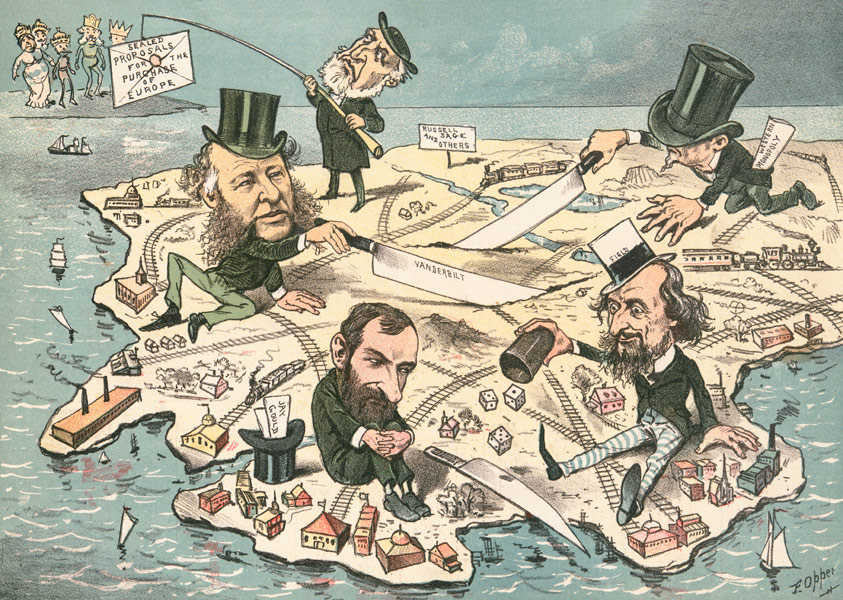
Infrastructure—including railways, ports, and roads—was often constructed not to promote balanced domestic development but to facilitate the efficient transportation of raw materials from inland regions to coastal ports for export.
Many of today’s transportation corridors in Africa, Latin America, and South Asia still follow routes established during the colonial era.
Trade Routes That Never Truly Disappeared
One of colonialism’s most enduring legacies is the structure of international trade.
Modern shipping lanes often mirror historical imperial networks connecting former colonies with former colonial powers.
For example:
- West African cocoa continues to supply European chocolate industries.
- Latin American copper remains essential for North American and European manufacturing.
- Southeast Asian palm oil feeds global consumer goods markets.
- African cobalt and lithium support battery production for electric vehicles and artificial intelligence infrastructure.
Although ownership structures have evolved, many trade relationships continue to reflect historical patterns established centuries ago.
The result is an international division of labor in which many countries in the Global South specialize in exporting relatively low-value raw materials while importing higher-value manufactured products and advanced technologies.
This imbalance contributes to persistent differences in income, productivity, and industrial capacity.
Colonial Institutions and Their Lasting Economic Effects
Colonial governments created institutions primarily to maximize extraction rather than encourage inclusive development.
In many territories, political systems emphasized:
- Centralized authority
- Weak property rights for indigenous populations
- Limited educational investment
- Unequal legal systems
- Export-oriented taxation
- Restricted industrialization
Economists have argued that these institutional arrangements left lasting effects that continue to influence economic performance today.
Countries where colonial administrations invested little in education or local governance often entered independence with severe shortages of skilled professionals, weak bureaucracies, and underdeveloped financial systems.
Rebuilding these institutions has taken decades, and in many cases remains incomplete.
The Resource Curse and Historical Extraction
Many resource-rich countries remain paradoxically poor.
This phenomenon, often called the “resource curse,” has historical roots in colonial economic organization.
Colonial administrations concentrated investment around extractive industries while neglecting manufacturing, scientific research, and domestic entrepreneurship.
Examples include:
- Oil in Nigeria
- Diamonds in the Democratic Republic of Congo
- Copper in Zambia
- Gold in Ghana
- Bauxite in Guinea
Even today, multinational corporations frequently dominate extraction while much of the value-added processing occurs in wealthier economies.
As a result, exporting nations receive only a fraction of the total economic value generated by their natural resources.
Global Supply Chains and Unequal Value Distribution
Modern globalization has not eliminated historical inequalities—it has often reorganized them.
Global supply chains divide production into multiple stages spread across different countries.
Typically:
Raw materials originate in developing countries.
Intermediate manufacturing occurs in emerging industrial economies.
Advanced design, finance, marketing, and intellectual property remain concentrated in developed economies.
The highest profits usually arise not from extracting raw materials but from controlling technology, branding, logistics, patents, and financial services.
For example, a smartphone may contain minerals mined in Africa, components manufactured in Asia, and software developed in North America, yet the majority of profits accrue to companies headquartered in wealthy economies.
This pattern reflects a continuation of historical specialization established during colonial rule.
Debt and Financial Dependence
Many newly independent nations inherited fragile economies during the twentieth century.
Industrial diversification required significant investment, leading governments to borrow heavily from international lenders.
Debt crises during the 1980s forced many developing countries to adopt structural adjustment programs.
These reforms often required:
- Privatization
- Trade liberalization
- Reduced public spending
- Deregulation
- Currency devaluation
While intended to restore macroeconomic stability, critics argue these policies sometimes reinforced external dependence and limited domestic industrial development.
In 2026, sovereign debt remains a major challenge for numerous countries across Africa, Latin America, and parts of Asia.
High debt servicing costs frequently reduce government spending on healthcare, education, and infrastructure.
Technology and the New Geography of Wealth
The twenty-first century has introduced new drivers of economic growth.
Artificial intelligence, biotechnology, cloud computing, robotics, and digital finance increasingly determine global competitiveness.
Yet access to these technologies remains uneven.
Many countries in the Global South continue to face obstacles including:
- Limited digital infrastructure
- Lower research investment
- Restricted venture capital
- Brain drain
- Unequal access to advanced education
Meanwhile, the world’s largest technology companies are overwhelmingly headquartered in North America, Western Europe, and East Asia.
Control over intellectual property has become a modern source of economic power, replacing many traditional forms of colonial dominance without completely erasing historical inequalities.
Climate Change and Historical Responsibility
Climate change has introduced another dimension to debates over colonial legacies.
Many developing countries contribute relatively small shares of cumulative historical greenhouse gas emissions.
However, they often experience disproportionately severe impacts including:
- Droughts
- Flooding
- Food insecurity
- Rising sea levels
- Extreme heat
At the same time, wealthier industrialized nations accumulated much of their prosperity during periods of fossil-fuel-intensive industrialization.
This has fueled international discussions regarding climate finance, adaptation funding, and loss-and-damage compensation.
Many policymakers argue that addressing climate inequality requires acknowledging historical responsibility alongside present-day emissions.
China’s Expanding Role in the Global South
The global economic landscape has become more complex with China’s rise as a major investor and trading partner across Africa, Latin America, and Asia.
Chinese financing has supported:
- Railways
- Ports
- Highways
- Energy projects
- Telecommunications infrastructure
Supporters argue these investments provide alternatives to traditional Western financial institutions.
Critics caution that some projects may increase debt burdens or create new forms of economic dependence.
Unlike classical European colonialism, China’s approach generally emphasizes commercial partnerships rather than direct political control, though debates continue regarding long-term strategic influence.
Can Colonial Economic Patterns Be Broken?
Several countries have demonstrated that historical disadvantages need not determine future outcomes.
South Korea, Singapore, Vietnam, Botswana, and Rwanda illustrate different pathways toward economic transformation through combinations of education, industrial policy, infrastructure investment, institutional reform, and integration into global markets.
Common strategies include:
- Investing in human capital
- Expanding manufacturing capacity
- Encouraging technological innovation
- Improving governance
- Diversifying exports
- Strengthening domestic financial institutions
Although each country’s experience is unique, these examples suggest that long-term policy choices can gradually reshape inherited economic structures.
The Debate Over Reparations
Calls for reparations related to colonialism and slavery have gained increasing international attention.
Advocates argue that centuries of resource extraction, forced labor, and unequal economic development generated wealth that continues to benefit former colonial powers.
Proposed approaches include:
- Financial compensation
- Debt relief
- Development partnerships
- Technology transfer
- Educational investment
- Cultural restitution
- Institutional reform
Opponents contend that assigning responsibility across generations is legally and politically complex.
Rather than direct compensation, some economists advocate policies aimed at reducing structural inequalities through fairer trade rules, expanded investment, and international cooperation.
The debate remains one of the most contested issues in international political economy.
A Multipolar World and New Opportunities
The global economy of 2026 is no longer dominated by a small group of Western powers.
Emerging economies—including India, Indonesia, Brazil, Saudi Arabia, the United Arab Emirates, and several African nations—are gaining influence in trade, finance, technology, and diplomacy.
New regional organizations and development banks provide additional sources of financing and investment beyond traditional institutions.
Digital services, renewable energy, artificial intelligence, and green manufacturing also create opportunities for countries seeking to diversify beyond commodity exports.
Whether these shifts will significantly reduce historical inequalities remains uncertain, but they represent important changes in the architecture of global capitalism.
Conclusion
Colonialism officially ended decades ago, yet its economic legacy continues to shape the distribution of wealth, trade patterns, institutional development, and technological capacity across the world.
Modern capitalism cannot be fully understood without recognizing how centuries of imperial expansion created enduring structures that continue to influence relations between the Global North and the Global South. Historical trade routes evolved into global supply chains, extractive institutions became inherited governance challenges, and resource specialization continues to affect patterns of development.
At the same time, history is not destiny. Successful economic transformation demonstrates that institutional reform, investment in education, technological innovation, and international cooperation can gradually reduce inherited inequalities. The emergence of new economic powers, digital technologies, and alternative financial institutions offers opportunities for a more balanced global economy.
As policymakers confront challenges ranging from climate change and sovereign debt to artificial intelligence and sustainable development, acknowledging the historical roots of global inequality may help create more inclusive economic policies. The shadows of colonialism still stretch across the modern world, but understanding those shadows is an essential step toward building a fairer and more resilient international economic system for the decades ahead.